Navigating the Roads: Trucking at Night vs. During the Day

In a vast transportation network, trucking plays a key role in moving goods across cities, states and countries. Whether it's delivering necessities or transporting goods for commerce, truck drivers are the unsung heroes of the road. However, choosing between nighttime and daytime driving can have a significant impact on efficiency, safety, and overall travel experience. Let's take a look at the differences between nighttime and daytime transportation.
Factors that influence the choice
First, let's note that not every driver always has the choice of when to get behind the wheel. The decision of when to hit the road is usually determined not only by the driver's personal preferences, but also by various external factors. For example, travel schedules may depend on business requirements, such as load and delivery times, as well as other commitments to customers. Truckers have their own preferences about when they prefer to drive, but for the sake of argument, let's assume that you have a free choice of how you want to log your driving hours.
Work efficiency
One of the main considerations for truck drivers is efficiency. Time is money, and maximizing productivity is essential. Daytime driving provides better visibility, which makes it easier to navigate traffic, read road signs, and find destinations. In addition, daytime hours often coincide with normal business hours, allowing for smoother loading and unloading processes at warehouses and distribution centers.
Conversely, trucking at night can offer a unique efficiency advantage. With fewer vehicles on the road and less congestion, drivers can reduce travel time, especially on highways and interstates. In addition, some shipments need to be delivered during off-peak hours so as not to disrupt daytime operations at pickup locations. Overnight trucking allows drivers to capitalize on these opportunities, potentially making more deliveries in a shorter amount of time.
Safety is paramount
Safety is paramount in the trucking industry, and both daytime and nighttime driving come with challenges. Daytime driving provides better visibility, allowing drivers to better see obstacles, pedestrians, and other vehicles. In addition, daylight helps to better appreciate road conditions such as potholes, construction zones, and bad weather.
On the other hand, trucking at night has its own safety concerns. Reduced visibility, especially in poorly lit or rural areas, can increase the risk of an accident. Fatigue also becomes a major concern, as the body's natural circadian rhythms can cause drowsiness during late-night hours. To reduce these risks, truck drivers should maintain a strict rest schedule, take regular breaks, and remain vigilant behind the wheel.
Looking for
truck parking?
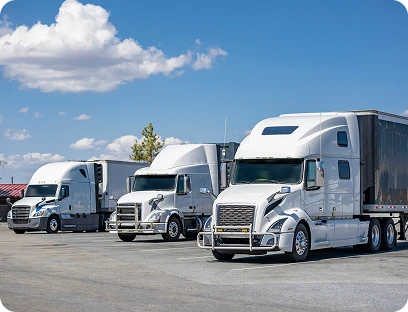
Find available truck parking near your route or destination with TruxSpot
Daily, hourly and monthly options available
Personal well-being and loss of alertness
If you're not yet accustomed to your new sleep schedule because you work at night, night driving isn't always the best option in this case. There are many ways to stay awake, but dozing off in the dark can be very dangerous.
Getting used to night driving is not an easy task. It takes time to get used to driving at night and sleeping during the day. During the day, it's easier to stay alert because your body is accustomed to being awake, and sunlight lets your body know it's time to stay awake. Until you get used to driving at night, plan time to stop and rest.
Distractions and obstacles
Night driving has far fewer obstacles and distractions due to the lack of visibility on the road, but it is this reduced sense of surroundings that is the only small obstacle. Keep your headlights in good working order, stay awake, and watch out for deer crossing the road, and you'll have no trouble reaching your destination
Traffic
Driving a truck at night can be quite nerve-racking. Perhaps one of the worst parts of daytime driving is the possibility of getting caught in traffic. If you're caught in the morning and afternoon rush hours, it's very unpleasant, but drivers should keep their cool and avoid road rage until traffic clears.
Conversely, night driving provides cooler temperatures and less glare from sunlight. However, night conditions also present challenges, such as navigating in fog, haze, or adverse weather conditions. Proper vehicle maintenance and compliance with safety regulations are essential to reduce these environmental risks.
Finding an available parking space
Parking becomes a little more difficult at night. Truck stops can get very busy and tend to fill up near the end of the day so drivers can rest for the night. If an "overnight" trucker needs to take a break while traveling at dusk, it's best to plan accordingly. Try to plan the trip accurately so that you can park and rest in the customer's parking lot.
Conclusion:
Ultimately, the decision whether to operate a truck at night or during the day depends on a variety of factors, including delivery schedules, route preferences, and safety concerns. While daytime traffic provides better visibility and operational efficiency, nighttime traffic can provide an opportunity to reduce travel time and congestion. However, both scenarios require careful planning, adherence to safety protocols and effective risk management strategies. We've given you a few tips for driving a truck at night, but you need to realize that this process is very individualized.
In the dynamic world of trucking, adaptability is key. Whether navigating busy city streets during the day or driving quiet highways at night, truck drivers play a vital role in keeping supply chains running smoothly. By understanding the differences between nighttime and daytime transportation, drivers can make informed decisions to ensure safe and efficient delivery of goods.
Need
a place to park?
Search available truck parking and reserve your spot before you arrive
Search parking across the U.S.