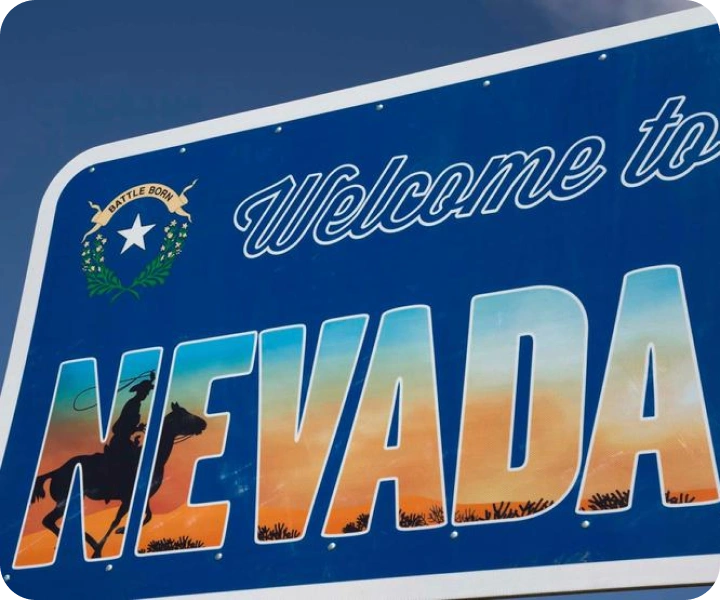
Nevada major corridors — I-80, I-15, US-95, US-93
Nevada looks empty on the map — a state made of sand, rock, and the promise of easy straight shots. Anyone who’s actually run freight here knows that’s only half the story. Nevada isn’t empty. It’s wide. There’s a difference. The land doesn’t care how confident you feel leaving Reno or Las Vegas. Out here, distance behaves differently, and the desert has its own quiet personality — the kind that doesn’t raise its voice, but still manages to dictate the rules.
Nevada’s freight world doesn’t hide — it just sits far apart, stitched together by long roads and a sky that always feels bigger than you remember.
Nevada major corridors
I-80
Running east to west, straight as an arrow from Utah to Reno through towns like Elko and Winnemucca. These are long-run corridors where exits seem to play hide-and-seek. Freight varies from refrigerated goods to heavy mining equipment and oversized haulers.
I-15
The king of the southwest desert, connecting Las Vegas to California and Utah. It feels fast, loud, and unforgiving. Watch for sudden Vegas traffic slowdowns, intense summer heat near Primm, and horsepower-draining climbs toward Mesquite.
US-95
The desert’s freight lifeline. This is the road where drivers learn to fuel early, hydrate often, and trust nothing about distance. It carries a heavy mix of mining traffic, military loads, and tankers.
US-93
Ties in the eastern half of the state. It features fewer services and longer stretches where the desert quietly reminds you who owns the land. Watch for elk and open-range cattle crossing without warning.
Nevada local rules & compliance
Nevada is surprisingly consistent when it comes to enforcement. Officers here aren’t trying to play “gotcha.” They’ve seen enough wrecks, rollovers, overheated brakes, and desert breakdowns to know what actually matters.
Compliance Category | Legal Requirement (2025) | Driver Wisdom |
|---|---|---|
Idling | 15-minute cap (NRS 445B). | Use an APU if you have one; Vegas Metro PD focuses on smog near the Strip. |
Street Parking | Prohibited on highway shoulders/ramps. | Dirt shoulders in Winnemucca are okay; Reno industrial zones are hit-or-miss. |
Oversize/Wind | Movement banned if winds > 25 mph. | The "Washoe Drive": Wind can cancel your escort in minutes; always check the 24-hour forecast. |
Low Clearance | Minimal on interstates. | Trust the yellow signs, not the GPS apps. |
Weight/Axles | 80k GVW (20k single / 34k tandem). | Portable scales pop up near Tonopah and Fallon regularly. |
Nevada fuel & DEF planning
Fuel planning in Nevada feels less like logistics and more like survival strategy. You can run fifty, sixty, seventy miles without passing anything larger than a boarded-up building or a lonely ranch light. Fuel planning is as important as finding safe truck parking in Nevada.
Corridor | Smart Fuel Zones | Why Drivers Choose Them |
|---|---|---|
I-80 | Winnemucca, Elko, Fernley | Predictable service + long gaps |
I-15 | Mesquite, Primm | High heat + fast climbs |
US-95 | Tonopah, Beatty, Hawthorne | Desert emptiness demands buffer |
US-93 | Ely, Caliente | Sparse fuel; limited night service |


Learn more about TruxSpot’s advantages in our official mobile app
Secured and convenient parking for large vehicles.
Real-time booking.
Payment via card through the app.
Management of your own bookings directly from your phone.










Nevada last-mile to freight clusters
Las Vegas industrial belt: Warehouses, resorts, and casino logistics. Gates are tight, schedules tighter. Some docks weren’t built with 53-footers in mind.
Reno–Sparks corridor: Massive e-commerce fulfillment hubs and retail distribution. Roads are good, but weather swings around the mountains change everything.
I-80 mining corridor (Elko, Winnemucca): Supply chains feeding Nevada’s biggest industry. Be prepared for mud in spring, dust in summer, and ice in winter.
US-95 + US-6 triangle: Military freight, solar farm development, and heavy industrial cargo. Expect security checkpoints and long approaches.