What Is a Drop Yard? A Complete Guide for Truck Drivers

If you’ve spent any time around trucking, you’ve probably caught phrases like “drop yard,” “drop lot,” or even “drop and hook yard” here and there. These kinds of places are kinda essential for freight movement, since they let carriers get things moving faster and cut down on those annoying delays, too. In other words, they’re a big part of keeping the whole operation from getting stuck, even if it sounds simple on paper.
What Is a Drop Yard?
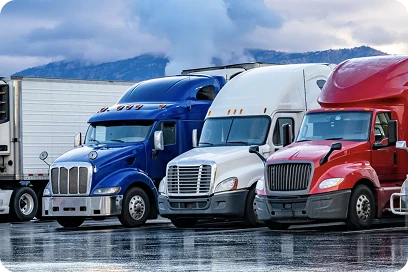
A drop yard is a designated spot where truck drivers can sort of park temporarily , store trailers, drop off loads, or pick up a trailer later.
You know, the whole idea is that they don’t have to sit around at a shipper or receiver while the cargo is getting loaded and then unloaded, because that can take forever.
Instead of just waiting there the whole time, a driver can leave a trailer at the drop yard and then go on to the next run, another assignment, another schedule item, whatever comes next.
The simplest answer to what is a drop yard is:
A secure location where trailers are kept until another driver, truck , or carrier comes to grab them.
Also, drop yards may be privately owned by trucking companies, run by logistics providers, or handled by third party truck parking facilities.
Drop Yard Meaning in Trucking
Thedrop yard meaningrefers to a trailer staging area used for freight transfers and trailer storage.
These locations are commonly used for:
- Empty trailer storage
- Loaded trailer storage
- Drop-and-hook operations
- Freight consolidation
- Fleet staging
- Equipment repositioning
Drop yards allow carriers to separate trailer movement from loading and unloading operations, improving overall supply chain efficiency.
What Is a Drop Yard in Trucking?
When discussinwhat is a drop yard in trucking, it's important to understand how freight normally moves.
Without a drop yard, a driver may need to:
- Arrive at a warehouse
- Wait several hours for loading
- Wait additional time for paperwork
- Leave after the trailer is ready
With a drop yard, the process is often much simpler:
- Driver drops off a loaded trailer
- Driver picks up another trailer
- Driver leaves immediately
This process is commonly known asdrop-and-hook trucking.
How Does a Trucking Drop Yard Work?
A typicaltrucking drop yardfunctions as a trailer exchange point.
Step 1: Driver Arrives
The driver enters the facility and checks in according to the yard's procedures.
Step 2: Trailer Is Dropped
The trailer is parked in an assigned location.
Step 3: Trailer Is Stored
The trailer remains in the yard until it is needed for pickup, delivery, or transfer.
Step 4: Another Driver Picks Up the Trailer
A different driver may arrive later and transport the trailer to its final destination.
This system helps maximize truck utilization while minimizing driver downtime.
Looking for
truck parking?
Find available truck parking near your route or destination with TruxSpot
Daily, hourly and monthly options available
What Is a Drop-and-Hook Yard?
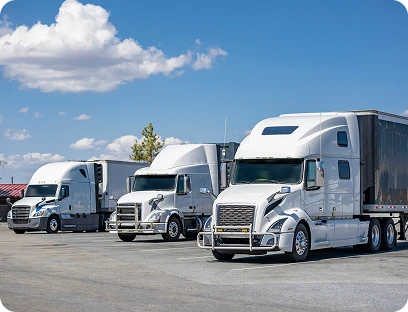
Adrop-and-hook yardis a type of drop yard specifically designed for quick trailer exchanges.
Instead of waiting for loading or unloading, drivers simply:
- Drop one trailer
- Hook up to another trailer
- Continue driving
Benefits of drop-and-hook operations include:
- Faster turnaround times
- Increased productivity
- More miles driven per day
- Reduced detention time
- Improved fleet efficiency
Many large carriers rely heavily on drop-and-hook networks to keep freight moving efficiently.
Types of Drop Yards
Not all drop yards serve the same purpose.
Private Carrier Drop Yards
Owned and operated by trucking companies for their own fleets.
Third-Party Drop Yards
Commercial facilities that provide trailer storage and parking services for multiple carriers.
Distribution Center Drop Lots
Trailer storage areas located near warehouses and fulfillment centers.
Port and Rail Drop Yards
Used to stage containers and trailers moving through intermodal transportation networks.
Temporary Project Yards
Short-term trailer storage locations used during construction projects, seasonal freight surges, or special events.
Benefits of Using a Trailer Drop Yard
Atrailer drop yardoffers several advantages for carriers and drivers.
Reduced Driver Wait Times
Drivers spend less time waiting at loading docks.
Higher Equipment Utilization
Trucks and drivers remain productive rather than sitting idle.
Improved Scheduling Flexibility
Freight can be picked up and delivered at different times.
Better Supply Chain Efficiency
Shippers and receivers can load or unload trailers according to their schedules.
Increased Capacity
Drop yards help manage large volumes of freight without requiring additional warehouse space.
Drop Yard vs Truck Parking
Many people confuse drop yards with truck parking lots, but they serve different purposes.
Drop Yard
- Designed primarily for trailer storage
- Supports freight operations
- Often used for drop-and-hook activities
- May not provide driver amenities
Truck Parking
- Designed for truck and driver parking
- Often includes rest facilities
- Primarily supports driver breaks and overnight stays
- May not allow long-term trailer storage
Some modern truck parking facilities offer both truck parking and drop yard services.
Who Uses Drop Yards?
Drop yards are commonly used by:
- Trucking companies
- Owner-operators
- Freight brokers
- Logistics providers
- Distribution centers
- Retail supply chains
- Intermodal carriers
Industries with high freight volumes often depend on drop yard networks to maintain efficient operations.
Challenges of Drop Yard Trucking
Although drop yards offer many benefits, they also present some challenges.
Limited Space
Popular locations may fill quickly during peak freight seasons.
Security Concerns
Stored trailers may contain valuable cargo that requires protection.
Trailer Tracking
Carriers must maintain accurate records of trailer locations.
Facility Access
Some drop yards have restricted hours or operational requirements.
Choosing secure and well-managed facilities helps minimize these issues.
What to Look for in a Good Drop Yard
When selecting a drop lot trucking facility, consider:
- Security systems
- Gated access
- CCTV monitoring
- Trailer capacity
- Convenient highway access
- Surface quality
- Lighting
- Operating hours
A well-maintained drop yard can significantly improve operational efficiency.
Need
a place to park?
Search available truck parking and reserve your spot before you arrive
Search parking across the U.S.