What Is an Oversize Load?

A load can be called “oversized” when it goes beyond the legal limits for size or weight set by a state or a specific road. People move many kinds of items under this label, such as heavy building equipment, machines from plants and factories, farm gear, large tanks, steel parts, and other wide or bulky cargo.
With loads like this, you often cannot treat the shipment as routine freight. Most of the time, you have to get the right permits, map the route in advance, and follow extra safety steps along the way.
What Makes a Load Oversize?
A load can exceed the legal limit for one or more of these measurements:
- Width
- Height
- Length
- Gross vehicle weight
- Axle weight
Rules are not the same everywhere. They change by state, by the road, and by the way the vehicle is set up. They also depend on what the load is.
A load can be too large for size rules but still be within the weight limit. Take a wide machine part. Even if its weight stays legal, it may still need an oversize permit.
Oversize vs. Overweight Loads
These terms are related but not identical.
Oversizeusually refers to the physical dimensions of the truck or cargo.
Overweightmeans the vehicle exceeds an applicable weight limit.
A load can be:
- Oversize only
- Overweight only
- Both oversize and overweight
Different permits and restrictions may apply depending on the situation.
Common Oversize Loads
Oversized freight commonly includes:
- Excavators and bulldozers
- Cranes and loaders
- Large generators
- Agricultural machinery
- Industrial equipment
- Steel structures
- Bridge components
- Wind turbine components
Looking for
truck parking?
Find available truck parking near your route or destination with TruxSpot
Daily, hourly and monthly options available
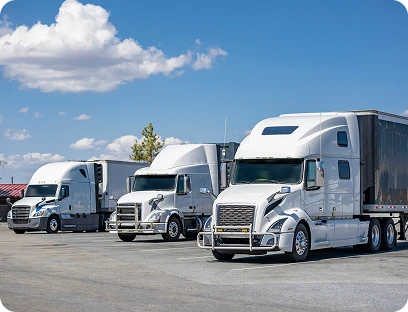
Do You Need an Oversize Load Permit?
If your vehicle or cargo exceeds the applicable legal limits, you may need a special permit.
Permit requirements vary by state and can specify:
- Approved routes
- Travel times
- Maximum dimensions
- Maximum weight
- Escort requirements
- Warning equipment
- Holiday or weekend restrictions
A permit that works in one state does not mean it is valid in another. If you are driving through several states, look up the rules for each state you will pass through.
How to Plan an Oversize Load Route
Planning a route is key when you move oversized cargo. Regular GPS guides might miss rules that apply to a heavy truck.
Before departure, check for:
- Low bridges
- Weight-restricted bridges
- Tunnels
- Narrow roads
- Sharp turns
- Construction zones
- Truck restrictions
- Permit requirements
- Suitable parking
Height matters a lot. Bridges can leave limited space. Signs can be placed too low. Tunnels also reduce clearance. Utility lines add more limits, too.
Finding Parking for Oversize Loads
It can be tough to park a big truck. Many normal spaces are made for shorter and narrower vehicles. If your truck is long or wide, it may not fit well. It can also be an issue if the load is heavy.
Before choosing a location, check:
- Lot size
- Entrance and exit access
- Turning space
- Surface conditions
- Vehicle restrictions
- Highway access
TruxSpot offers truck and trailer parking for commercial vehicles and trailers, with location information that can help drivers determine whether a lot fits their equipment.
For flatbed and irregular cargo,flatbed truck parkingcan be another option when additional space is needed.
Some TruxSpot locations specifically accommodate oversized or heavy-haul equipment, while others have vehicle restrictions. Always check the individual listing before booking.
Can Oversize Loads Park at Regular Truck Stops?
Sometimes, but not every truck stop can accommodate an oversized vehicle.
A standard parking space may work for a normal tractor-trailer but not for:
- Long trailers
- Wide loads
- Lowboy trailers
- Heavy-haul equipment
- Specialized trailers
Check the parking layout and vehicle restrictions before entering the property.
Pilot Cars for Oversize Loads
Some oversize loads requirepilot cars, also called escort vehicles.
Requirements depend on:
- Load width
- Load height
- Load length
- Weight
- Route
- State regulations
Because requirements vary, carriers should check the rules for every state the load will travel through.
Oversize Load Safety Equipment
Depending on the permit and state requirements, an oversize load may need:
- Oversize load signs
- Flags
- Warning lights
- Reflective markings
- Escort vehicles
The permit should be checked for the specific equipment and travel conditions that apply to the load.
Oversize Load Checklist
Before departure, verify:
| Item | Check |
|---|---|
| Dimensions | Width, height and length |
| Weight | Gross and axle weights |
| Permits | Every state on the route |
| Route | Bridges, tunnels and restrictions |
| Escorts | Pilot car requirements |
| Safety equipment | Signs, flags and lights |
| Parking | Enough space for truck and trailer |
| Fuel | Accessible locations along the route |
| Backup plan | Alternative parking and routes |
Common Oversize Load Mistakes
Using standard GPS
Basic routing may miss low bridges, weight rules, or roads that only allow vehicles with specific permits.
Assuming one permit is enough for everything
One permit does not automatically cover multiple states. Each state can have its own rules and travel limits.
Forgetting about axle limits
A truck can meet its overall gross weight cap and still break an axle limit that applies on a certain road.
Leaving parking search for the end
Oversized trucks often have fewer places to park. Pick spots ahead of time so you are not forced to stop on the street.
Skipping parking rules
A lot may allow commercial trucks, but it can still ban oversized, heavy-haul, or long loads.
Need
a place to park?
Search available truck parking and reserve your spot before you arrive
Search parking across the U.S.
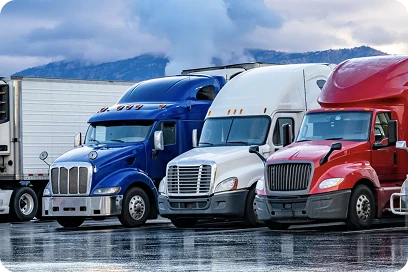
Frequently Asked Questions
What is a oversized load?
A oversized load goes past the legal limits for width, height, length, or other size rules for a vehicle.
Do oversized load need a permit?
In many cases, yes. The answer changes based on the item, the truck, the state, the road, the measurements, and the weight.
Can a oversized load stop in regular truck parking?
Not always. Some spots are too tight or have height limits. Look closely at the lot size and the rules for that parking area.
Are pilot cars required for a large load?
Sometimes. It depends on the size and weight, the route, and the state rules.
What should you check before you move a oversized load?
First, confirm the size and weight. Then verify permits and the planned route. Also check bridge limits, whether an escort is needed, the required safety gear, and where you can park it safely.