Where do truck drivers sleep?

If youve ever passed a semi-truck parked at a truck stop late at night, you might have wondered, where do truck drivers sleep during long trips?
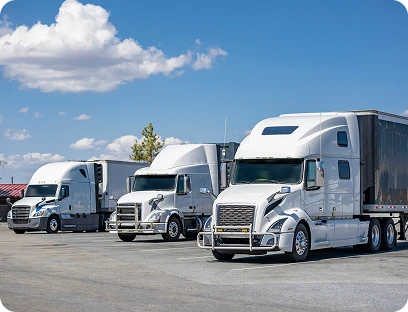
The answer depends on the trucking setup, the tractor itself, and what kind of parking is actually available. Most long haul drivers sleep in their trucks, but others end up using truck stops, roadside rest areas , company terminals, or hotels when the timing and load require it.
Lets take a more careful look at where truckers sleep, what guidelines they have to follow, and the safestovernight truck parkingchoices that are usually possible.
Do Truck Drivers Sleep in Their Trucks?
Yes, in many situations, truck drivers sleep in their trucks.
Most long haul tractors come with a sleeper berth, a space sitting behind the drivers seat, with a bed plus storage space. Some newer sleeper cabs also include
- Mattresses
- Refrigerators
- Microwaves
- TVs
- Climate control systems
- Storage cabinets
The Federal Motor Carrier Safety Administration (FMCSA) recognizes sleeper berths as approved areas for required off duty rest periods.
Do Truckers Sleep in Their Trucks Every Night?
Not always , no.
While many long haul drivers spend most nights in their sleeper cabs , there are times where drivers pick other arrangements, including:
- Hotels or motels
- Company terminals
- Customer properties (with permission)
- Home, for regional and local operators
Even so, sleeper berths tend to be the usual choice, because they keep drivers near the freight, and also help avoid hotel bills.
Where Do Truckers Sleep on the Road?
When someone askswhere do truckers sleep, these are often the places they mean:
1. Truck Stops
Truck stops are the favored overnight option for many professional drivers.
You will usually find things like:
- Reserved truck parking
- Fuel stations
- Restaurants
- Showers
- Laundry facilities
- Driver lounges
Major truck stop networks are built to fit commercial vehicles, and well… overnight living in them.
2. Rest Areas
State-run highway rest areas are another normal place people use to sleep for the night.
There are a few nice parts to that, like
- free parking
- easy entry from the highway
- restrooms
- basic necessities
Still, the overnight parking regulations are not the same everywhere. Some states, and some spots, have time limits, so it's worth confirming before you pull in.
3. Dedicated Truck Parking Facilities
Because truck parking shortages keep happening across the U. S. more drivers are leaning on dedicated truck parking locations.
If you want safe overnight parking, take a look at this guide fortruck parking overnight:overnight truck parking options
Dedicated facilities usually feel more secure, and they tend to be available more often than the crowded rest areas.
4. Company Terminals
A lot of carriers keep company terminals, where drivers can park overnight, handle inspections, and complete the required rest intervals.
5. Customer Locations
Some shippers and receivers let drivers stay on-site overnight before the scheduled appointment time. Permission is usually needed, and sometimes its handled through a dispatcher or a call.
Looking for
truck parking?
Find available truck parking near your route or destination with TruxSpot
Daily, hourly and monthly options available
Can You Sleep at a Truck Stop?
A question people ask a lot, both truck drivers and other travelers, is:can you sleep at a truck stop?
In most situations, yes.
Truck stops are built to help resting drivers. Many commercial drivers spend their required off-duty hours there, and a few truck stops also permit overnight parking for RVs and regular passenger cars, but it depends on the company policy.
Before you settle in, double check local rules and read the posted signs , especially anything about overnight use or hours.
Truck Driver Sleep Requirements
Federal rules put cleartruck driver sleep requirementsin place, to reduce fatigue and improve safety on the road.
For most property-carrying drivers in the United States:
- Maximum driving time: 11 hours
- Maximum work window: 14 hours
- Required off-duty period: 10 consecutive hours
- Sleeper berth provisions may be used under FMCSA regulations , I mean under those rules.
These rules help make sure drivers get enough rest before they go back onto the road.
Why Rest Is So Important for Truck Drivers
Fatigue is one of the biggest safety issues in trucking, it really is.
Getting real quality sleep helps drivers
- stay sharp
- boost reaction times
- lower the risk of a crash
- support general physical well being
- follow the Hours of Service regulations
So, because of all that, finding safe and lawful overnight parking is a big part of basically every run.
Tips for Better Sleep When You Are On the Road
Professional drivers often use a few tactics so sleep quality is better:
- park in quiet places , and ones with good lighting
- use blackout curtains in the sleeper berth
- keep a steady sleep routine
- reduce caffeine right before bedtime
- keep the sleeper space cool, and comfortable
- use earplugs or white noise if it becomes necessary
Even small changes can add up and matter a lot during long-haul operations.
Conclusion
So uhm where do truck drivers sleep? Most long haul drivers sleep in sleeper berths inside their trucks, and then other drivers they might rely on truck stops , rest areas , company terminals or hotels depending on their routes and schedules.
If you are asking do truckers sleep in their trucks , or wondering can you sleep at a truck stop , or trying to understand truck driver sleep requirements the main idea stays the same, it is all about getting safe legal and restorative rest before the next long stretch of road.
Need
a place to park?
Search available truck parking and reserve your spot before you arrive
Search parking across the U.S.