New York Transportation Corridors - Westfield 2 & Western NY
I-90, NY-394, US-20, NY-5
Westfield 2 sits on the western corridor of New York State near Lake Erie with an agricultural, manufacturing, and cross-state freight environment that forms and reforms itself. Historically connected to farming, food processing, and regional trade, the area now supports warehouse transfers, beverage distribution, cold-chain freight, and hauling construction supplies, filling vast trucks with food market commodities and intervene if demand takes a minor dip in the region. Terrain for truck drivers traveling through the region shifts between lake-effect weather zones and open pastoral highways, adjusting for seasonal change in driving conditions. This emphasizes the importance of planning Westfield 2 New York truck parking well ahead of coming into the area, particularly in harvest seasons and winter lake-effect snow periods when truck parking spaces get instantly full.
I-90
I-90 is the major east–west freight thoroughfare from western New York. Concerning commercial traffic coming through Westfield, matters of retailing, perishables, agricultural products, and cross-border goods moving into major northeastern markets usually journey at a uniform rate. During points where the state senses congestion, it is normally through spots near Thruway service areas and tourist traffic along the Lake Erie shore.
NY-394
NY-394 is busy with trucks for the region to all the industrial units, the majority of agricultural processors and roughly the distribution markets there. The time when trucks are most active occurs during daylight as goods are shipped and taken out of storage and packing places, and thus well timed deliveries can avoid the local slow paced traffic.
US-20
US-20 parallels the lake and accommodates a mixed bag of commercial and residential traffic. Many local delivery runs, among them food-grade shipments and supplies for the smaller towns along the corner of western New York state, continue throughout this corridor. They require careful driving due to the reduced speed limit segment thrown into the mix of seasonal tourism traffic.
NY-5
NY-5 functions as a regional connector of sorts in bringing together small logistics points and providing access to the larger Buffalo distribution network. Commercial vehicles tend to shift to this route for secondary access whenever intrastate commitment starts pulling more trucks.
Major Roads of New York serving Westfield 2
I-90
A primary interstate passage serving the Midwest and Northeast freight markets from western New York.
NY-394
An important regional access road for the processing facilities and local industrial traffic.
US-20
Ocean-shipping route supporting agricultural bland regional deliveries.
NY-5
A secondary connector should be used for regional distribution lines when a different pipeline comes on-stream.
Trip planning strategies that are fuel-efficient, time-conscious, and Westfield 2 New York truck parking requires are closely aligned with Thruway traffic and seasonal shipping activity.
New York Local Rules & Compliance (Westfield 2 Area)
Various Western New York highways forcefully implement commercial vehicle enforcement-related initiatives focusing on operational safety and compliance.
Idling
New York State, meanwhile, is quite strict with its anti-idling policies in close proximity to residential zones and village centers.
However, some spots by industrial/commercial highway areas might allow limited-timespan operational idling.
Weight Limits
Truck bridges and axles shall be subject to Federal standards across New York State. Certain trucks carrying agricultural commodities and perishable products are closely inspected over axles and bridges during times when they are more transported for the demand of such commodities.
Load Security
In some seasons, the stability of pallets, temperature controls and loads, and wind protection with provided methods in the regional carrying of building materials is the focal point for a lot of checks.
Working Zones for Industrial Traffic
Processing facilities, the entrances of depots, as well as Thruway interchanges could all have increased enforcement visibility on weekdays.
Adequate preparedness in documenting equipment and maintaining its condition ensures smoother operations in the Westfield 2 section.
Fuel and DEF in New York Planning — Westfield 2 Area
Fueling stations along the I-90 service plazas and proper highway junctions provide dependable assets. Most fuel is dispensed during early morning and late afternoon hours, thus co-relative to the advent and decline of line haul shipping. Alternative places also provide secondary sources of fuel that might help on US 20, then on New York 394, dependent on how services work after dark.
It is common for a supplier to sell/swap Diesel Exhaust Fluid (DEF) through Thruway stores; however, drivers typically contact them prior to the trip to check if the trifling supply still holds. "Lake-effect-winter runs run longer, and cold weather coupled with lots of wind lowers fuel economy, which makes preemptive fueling a considerable time management aid."
A lot of operators combine their parking on the way as a standard part of their operations while holding on to Westfield 2 New York truck parking, so this inevitably saves time and traffic congestion during midnight time slots.

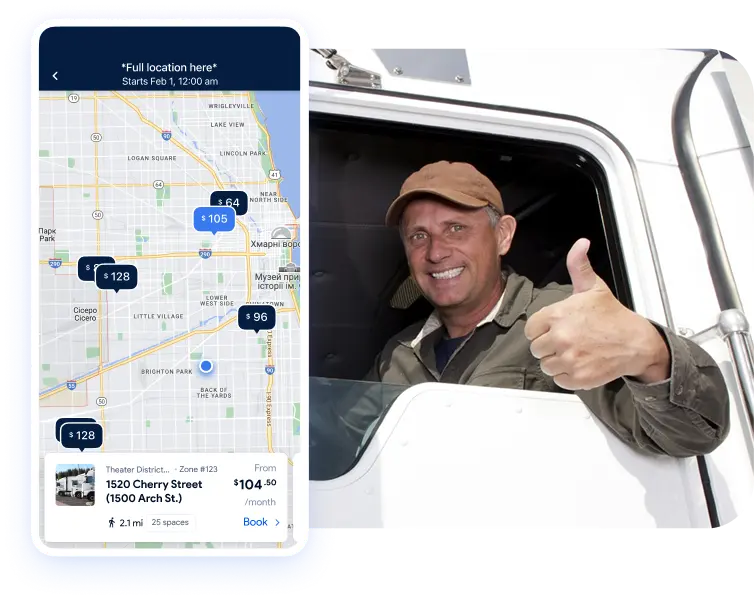
Learn more about TruxSpot’s advantages in our official mobile app
Secured and convenient parking for large vehicles.
Real-time booking.
Payment via card through the app.
Management of your own bookings directly from your phone.










Weigh Stations & Inspections of New York-Westfield 2
The interstate as I-90 travels through the western parts of its namesake state, well supported with mobile commercial vehicle enforcement units and permanent weigh stations.
Typical inspection focuses revolve around:
Protection of cargo (including) (refer to safe securement)
Axle constraints on some local distributions
Wheels, brakes, lights, etc. can be scrutinized after long travel
ELD and hours-of-service regulation off-mountain roller coaster landscapes.
The enforcement throughout Westfield 2 is set up in a structured, almost-regular manner. For example, leading inspection triggers are seen to include overweight axles, equipment wear due to winter operations, and mixed freight either poorly secured or loaded en route through the states.