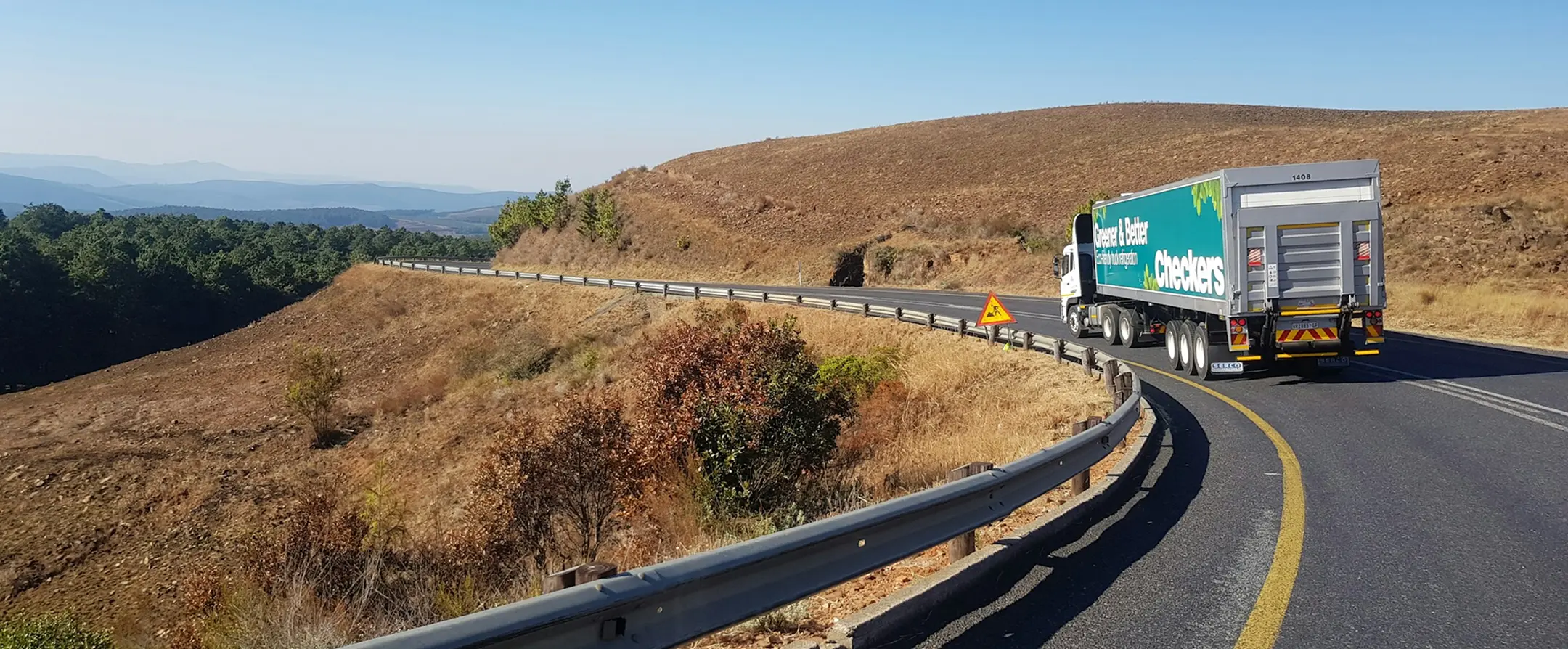

Illinois Freight Arteries — Mt. Carmel & the Wabash Valley Logistics Corridor
IL-1, IL-15, US-460, IL-33
Lying on the Wabash River bank of Illinois at its southeast corner, Mount Carmel remains a hallmark of peaceful but pragmatic logistics activities; it forms a link between the Illinois interior and the Indiana border. Ever since, over forty years ago, the local economic activities have undergone further modifications due to oil and gas extraction, agriculture and light industry that are not far removed from today's prevailing cargo flows. Quite a number of skilled drivers transport loading of oilfield equipment, grain, fertilizer, farm machinery, and building materials through the region. Upon dipping towards the southern state highways, fog occasionally sets itself up as an occasional winter offender against drivers. Contractors always bargain with summer swelter and an increased presence of combines further compounds it for drivers unaware of the ways northeast of St. Louis. Truck parking in Mount Carmel requires a pre-trip schedule for practicing drivers heading to yards with small, narrow delivery windows that can hardly be met without tight latency or dire economics.
Main Highways in Illinois Connected Mt. Carmel
IL-1
The road serves as the primary north/south high-speed drive within the Illinois Farm Belt linking towns like Mount Carmel to points north and south like Lawrenceville. Heavy truck movement exists, carrying grain, seed, fertilizer, and farm equipment, to make up for thin auto traffic over most of the year. This is enhanced by the seed and chemical use near the Canadian border in the growth of seed, disease control, etc.
AL-15
While it goes from Albion on the one hand and takes into consideration the state lane of Indiana towards Mount Carmel residents, it stands as well as the trade channel of the entire region in addition to companies that operate LTL, wholesale distribution, and cross-border transport. One will also confront very poor road conditions after driving through some really-nice sections of road. Very often, the local residents are forced to work slow hours when passing through some places on the road.
US-460
Cutting through the south edge of the district toward the tri-state area, ILL 33 cathes the drivers to secondary interstate relief routes for reasons of avoiding congestions farther north. It is used heavily by the energy sector vehicles which move between fields in Illinois and Indiana in opposition to Illinois commerce.
ILL-33
This is a rural road used for cropping/ farming, thus connecting between the Mt. Carmel and surrounding agricultural populations. Used generally to deliver farm supplies, cargo grain, and moving farm equipment, the specially manned heavy trucks require careful subjection to stringent road safety measures about the lanes, as the view along the higher ridges tends to become unrestricted.
Route planning that accounts for warehouse schedules and Mt. Carmel Illinois truck parking availability along IL-1 and IL-15 helps drivers avoid costly delays during early morning unloading windows.
In compliance with any Illinois local rules and laws in the Mt. Carmel territory
The enforcement is uniform and professionalism is observed in Wabash County, with a special focus on commercial vehicles delivering essential services to energy and agricultural sectors.
Idling
State law makes it unlawful to idle a vehicle powered by diesel within 100 feet of a residential area for more than 5 minutes. In the industrial and oil field service areas of Mt. Carmel, it is relaxed during loading operations but parked trucks close to residential streets shall obey the law to avoid citations.
Weight Limits
The federal axle weight limits apply alongside US-numbered routes within Wabash County, as is also the case with IL-1. Many county roads and bridge crossings carry lower posted limits in the county and besides being enforced anytime loads are overweight. In the wake of spring thaw, when road surfaces are most susceptible to heavy axle loads, they become more aggressively enforced.
Load Securement
Inspectors in the area pay close attention to loads on oil-field tubing and equipment, flat bed farm machinery, and bulk fertilizer containers. Proper tightening of chains, the competence of binders, and conspicuity of over-dimensional flagging have been frequently mentioned inspection criteria for the region's dominant freight types.
Industrial Traffic Zones
Drivers' expectations of an enforcement zone post will be high while they pass by grain elevators, oil field service yards, and the industrial corridor of the Wabash River during peak load times. It is strictly advised adhering to all posted speed limits and to refrain from any unauthorized overnight staging within live industrial zones.
Illinois Fuel & DEF Planning — Mt. Carmel Area
In the Mt. Carmel area, and Entrance there too are limited and working, contrasted to large yards of freight in Illinois. The most reliable diesel stops are clustered along IL-1, while another cluster can be found inside the town proper near the commercial strip, very close to the intersection of IL-15. Overnight fueling access is available at some locations, but staffing and pump availability can get scaled back to a degree after 10 pm. DEF is stocked at the primary truck-accessible fuel stops along IL-1, but drivers operating on rural county routes should make plans for a top-off before leaving the main commercial corridor. River valley terrain and stop-and-go patterns through town contribute to moderately higher fuel consumption for loaded flatbeds and tankers. Cold winters in the Wabash Valley can also reduce DEF performance, making top-off discipline especially important between November and March. Coordinating fuel stops with planned Mt. Carmel Illinois truck parking allows drivers to efficiently manage HOS cycles without losing time searching for compliant rest areas across the rural surrounding counties.


Learn more about TruxSpot’s advantages in our official mobile app
Secured and convenient parking for large vehicles.
Real-time booking.
Payment via card through the app.
Management of your own bookings directly from your phone.










Illinois Weigh Stations & Inspections — Mt. Carmel Region
Commercial vehicle regulations in the Mt. Carmel region are implemented by a mix of the fixed inspection facility along the IL-1 / IL-15 corridor and mobile IDOT enforcement units that inject additional saturation coverage onto high-traffic roadways, especially county and state roads where harvesting and oilfield action kick up seasonal business.
Most inspections are centered at:
Axle weight compliance on flatbed oilfield equipment and loaded gain trailers rampant on county and state routes during spring thaw restrictions
Load Securement inspections on pipe, machinery, and agricultural implements, with a particular focus on chain and binder integrity checkpoints
Brake system and tire conditions deemed outside the norm, a majority probably coming from long hauls from the Indiana area or Illinois centers
Mandated ELD and hours-of-service documentation verification on interstate carriers running the Eel River perimeter between Illinois and Indiana.
Enforcement in this region is straightforward and consistent, with the predominant violation part revolving around spring thaw where overweight axles tend to shear the gravel on farm-to-market roads or on other rural roads and inadequate securement on flatbed energy sector loads.