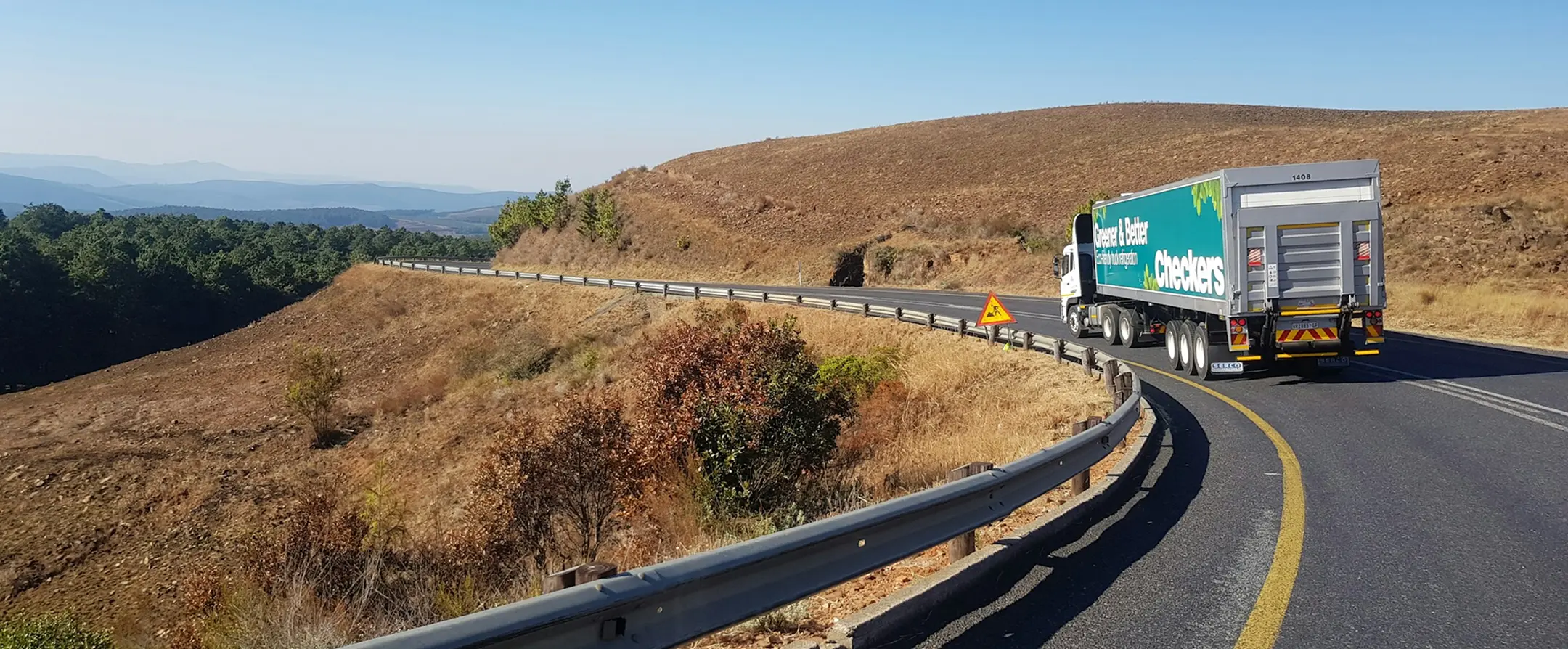
Our Connellsville truck parking locations
Truck Parking at 1368 Mall Run Road, Uniontown, PA 15401
1368 Mall Run Rd, Uniontown, PA• 13.1 mi
Truck and Trailer parking Wendel Rd, Irwin, PA
Wendel Rd, Irwin, PA• 18.1 mi
The TruxSpot platform extends to all key roads and connections across the U.S. Here, you can find thousands of hubs situated near important transportation interchanges. The majority of them are equipped with everything necessary for a comfortable and safe rest, including security systems for transport and cargo.
With TruxSpot, you get access optimal locations for stopping during a business or personal journey. Instant reservation, always open spaces, and optional services are waiting for you.
Pennsylvania Freight Arteries — Connellsville & the Laurel Highlands Industrial Corridor
US-119, PA-51, PA-711, I-76 (Pennsylvania Turnpike)
Connellsville is a city in Pennsylvania, located in Fayette County along the Youghiogheny River in the Laurel Highlands region. Historically a major coke and steel production center, the area continues to support freight tied to manufacturing, construction materials, aggregates, and regional distribution. Its position between Pittsburgh and more rural Appalachian zones makes it an important connector for both industrial and resource-based freight.
Drivers traveling through Connellsville should be prepared for a mix of small-city traffic, river valley terrain, and nearby mountainous routes. Roadways may include tight turns, elevation changes, and seasonal weather impacts such as snow and fog. Planning Connellsville truck parking ahead of time is important, as options are limited within the city itself.
Pennsylvania Mainroads Serving Connellsville
US-119
The primary north–south corridor serving Connellsville, connecting the area to Uniontown and the Pittsburgh region. It carries steady volumes of industrial freight, including construction materials and manufactured goods. Traffic can become moderate to heavy near urban centers.
PA-51
A regional route linking Connellsville to other parts of Fayette County and nearby industrial zones. It supports local deliveries and construction-related traffic, with varying road conditions and speeds.
PA-711
Runs north–south through the Laurel Highlands, providing access to rural communities and recreational areas. It is used for local freight, including timber and agricultural products, with winding sections requiring careful driving.
I-76 (Pennsylvania Turnpike)
Located to the north, this major interstate provides long-haul connectivity across the state. It is heavily used by freight carriers moving between Pittsburgh, Harrisburg, and beyond.
Drivers coordinating deliveries in Fayette County should confirm schedules in advance, as truck parking near Connellsville is limited and staging areas are typically located closer to major highways.
Pennsylvania Local Rules & Compliance (Connellsville Area)
Enforcement is handled by the Pennsylvania State Police along with local authorities.
Idling
Diesel truck idling is limited to 5 minutes under Pennsylvania law, particularly in residential and urban zones.
Weight Limits
While US-119 supports standard limits, some local roads and bridges in the Connellsville area have reduced posted weight restrictions, especially in older infrastructure zones.
Load Securement
Inspections commonly focus on construction materials, aggregates, and industrial freight. Proper tie-downs and load balance are critical due to uneven terrain.
Industrial & Mixed Traffic Zones
Drivers should expect a mix of commuter and truck traffic, particularly near commercial areas and river crossings.
Pennsylvania Fuel & DEF Planning — Connellsville Area
Fuel availability is moderate, with better access along US-119 and near larger towns such as Uniontown. Truck-friendly stations may be limited within Connellsville itself.
Drivers are advised to refuel before entering more rural or mountainous stretches. DEF availability is reliable at larger stops but may be inconsistent at smaller stations.
Terrain in the Laurel Highlands can increase fuel consumption, particularly for fully loaded trucks navigating elevation changes.


Learn more about TruxSpot’s advantages in our official mobile app
Secured and convenient parking for large vehicles.
Real-time booking.
Payment via card through the app.
Management of your own bookings directly from your phone.










Weigh Scales and Inspections — Connellsville Region
Enforcement in this region is moderate, with activity focused on major routes like US-119 and nearby interstates. Mobile units conduct inspections focusing on:
Axle weight compliance for construction and industrial loads
Brake systems and tire condition for mountainous driving
Load securement for aggregates and palletized freight
ELD compliance and hours-of-service tracking
While less intensive than major interstate corridors, enforcement remains consistent and attentive to safety.